Pink October: Bridging Awareness, Compassion, and Health Action in Ghana
October marks a special moment in global health discourse — a month when hearts and minds turn pink in solidarity for breast cancer awareness. In Ghana, Pink October is more than a symbolic gesture: it is a call for increased public understanding, better early detection, and stronger support networks. This post explores how stakeholders in the health sector, medical distributors, clinicians, and communities can come together to deepen impact.
The Landscape in Ghana
Breast cancer remains among the leading cancers affecting Ghanaian women. Late presentation, limited awareness of early signs, and challenges in access to diagnostic services amplify the burden. In many parts of Ghana, rural or peri-urban, women may not readily access mammography, ultrasound, or pathology services.
Medical distribution networks play a pivotal role in bridging these gaps. Efficient supply chains ensure that screening devices, biopsy kits, pathology reagents, and adjuvant treatment drugs reach regional centres and hospitals without delay or stockouts. As Ghana’s medical distribution sector evolves, there is great potential to support oncology care not only through medicines but by supporting diagnostics, consumables, and logistics.
Role of Early Detection & Public Education
Early detection is the cornerstone of improved outcomes. Teaching women (and men) to perform breast self-examination, to seek clinical breast exams, and to access appropriate screening when available can transform lives. Health education campaigns throughout communities must emphasise:
- Recognising warning signs (lumps, nipple changes, skin retraction, discharge)
- Encouraging prompt clinical evaluation
- Addressing myths and stigma around cancer
- Informing on what to expect in diagnosis and treatment
In a Ghanaian context, messaging must be culturally sensitive, local-language inclusive, and respectful of traditions and beliefs.
The Emotional, Psychological, and Social Dimensions
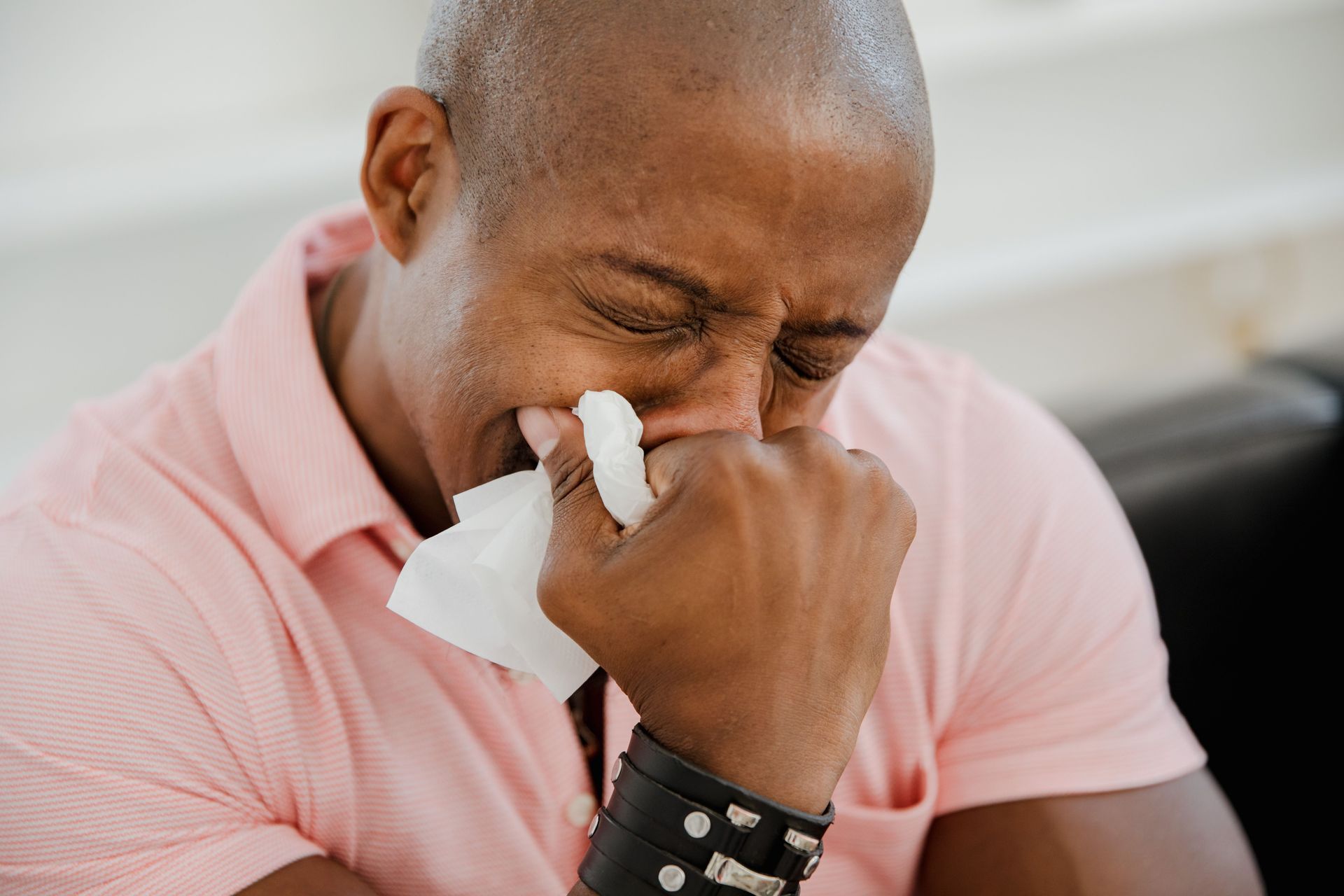
A diagnosis of breast cancer is not solely a physical challenge. It often carries emotional distress, anxiety, fear, and psychosocial burden — not only for the patient, but for families, caregivers, and even entire communities. Integrating psychological counselling, peer support groups, and sensitising health workers to empathy can strengthen recovery and quality of life.
Communities, churches, local leaders, and women’s groups can serve as key support nodes, offering encouragement, care coordination, and reassurance.
Challenges & Opportunities in Medical Distribution
In Ghana, medical distribution faces multiple hurdles: infrastructural constraints, regulatory bottlenecks, intermittent power supply, delays at ports, and limited cold-chain capacity in some areas. Efficient distribution must overcome these to reliably deliver oncology and supportive care supplies.
Yet, opportunities abound: digital inventory systems, demand forecasting, regional hubs, public–private partnerships, and capacity building. With proper coordination, medical distributors can act as enablers of equitable health access across the country.
Towards Integrated Action: A Call to All Stakeholders
For Pink October to achieve lasting effect in Ghana, multiple actors must work in concert:
- Government & regulators should support policies that streamline importation, reduce delays in registration, and subsidise screening programs.
- Healthcare professionals must champion awareness, mentor communities, and strengthen clinical pathways.
- Distribution networks and supply chain actors should ensure that diagnostic kits, consumables, and treatment medicines reach underserved regions.
- Community groups, NGOs, faith-based organisations must help with outreach, counselling, patient navigation, and funding support.
- Media and communications platforms should amplify the message in local languages, leveraging radio, social media, and community forums.
As Ghana’s medical ecosystem broadens beyond pure distribution into diagnostics, preventive health, and medical technology, Pink October offers a compelling year-round mandate: awareness must be structurally supported, not just symbolically celebrated.
👉 Let us turn empathy into action.
www.nrmeds.com
#PinkOctoberGhana #BreastCancerAwareness #HealthDistribution #EarlyDetection #OncologySupport #GhanaHealth #CommunityWellness