Taking Action on Prostate Cancer – Men’s Health Challenge

NR Meds • 24 September 2025

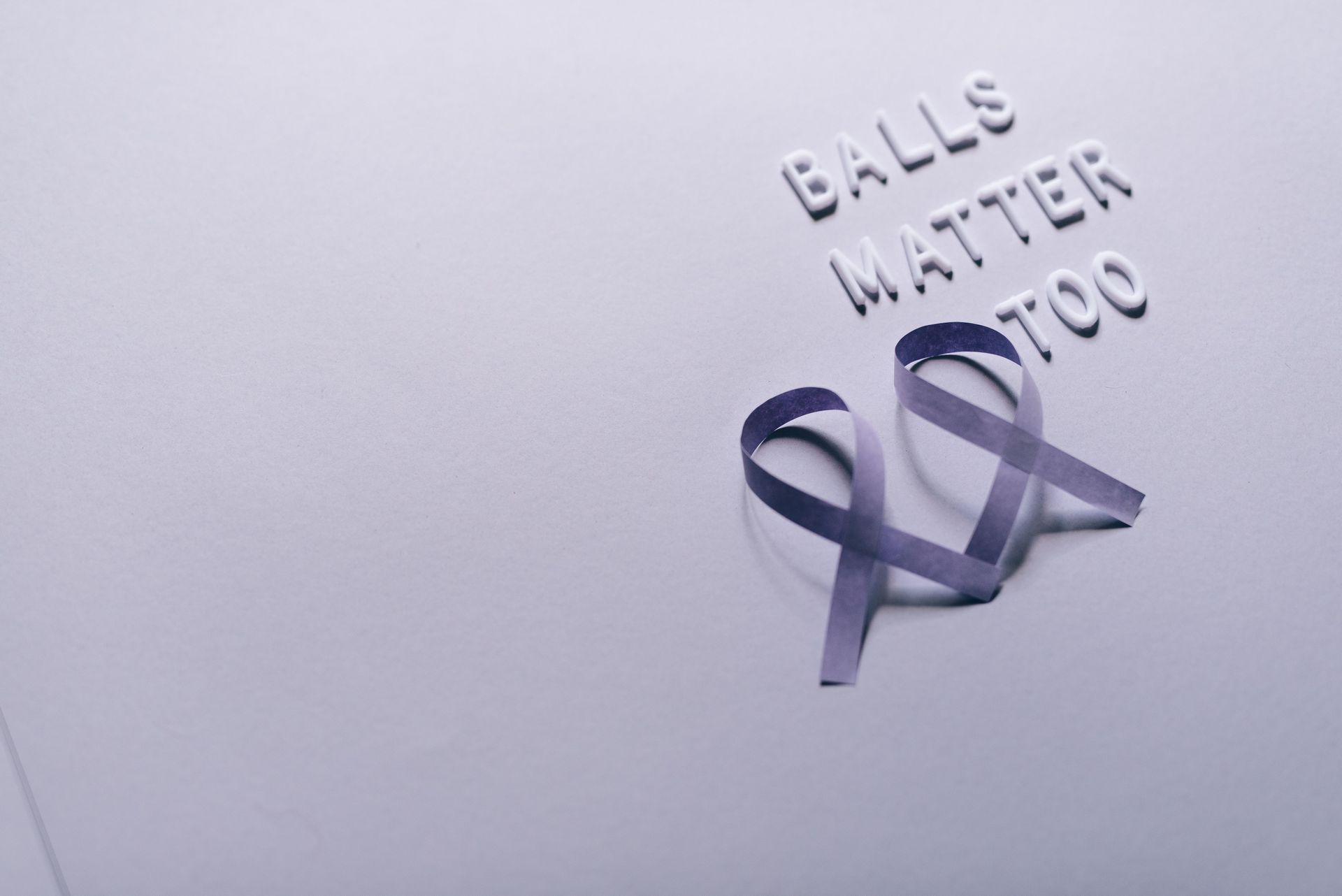
Prostate cancer is one of the leading health challenges affecting men worldwide, and Ghana is no exception. It is a condition that begins in the prostate gland, and while it can progress silently, its impact on men’s health, families, and communities is profound.


Understanding Prostate Cancer
The prostate is a small gland located below the bladder. When cells in the prostate grow uncontrollably, cancer develops. Risk factors include age (men over 50 are at higher risk), family history, lifestyle, and genetic predispositions.


The Importance of Early Detection
Prostate cancer is highly treatable when detected early. Unfortunately, many men delay screening due to fear, stigma, or lack of awareness. Common screening methods such as Prostate-Specific Antigen (PSA) tests and digital rectal exams can identify the disease before symptoms become severe.


Recognising the Symptoms
Some early signs may include:

- Difficulty urinating

- Frequent urination, especially at night

- Blood in urine or semen

- Pain in the lower back, hips, or thighs


However, prostate cancer can also be asymptomatic in its early stages, making regular screening crucial.


Preventive Lifestyle Measures
Men can lower their risk by adopting healthy habits:

- Eating a diet rich in fruits, vegetables, and whole grains

- Reducing red meat and processed foods

- Exercising regularly

- Avoiding smoking and excessive alcohol use


Taking Collective Action
Raising awareness of prostate cancer requires both personal responsibility and community support. Healthcare providers, advocacy groups, and families play a vital role in encouraging men to prioritise their health and seek medical advice without delay.


Final Thoughts
Prostate cancer is not a death sentence if addressed early. By speaking openly, encouraging regular check-ups, and promoting healthy lifestyles, we can confront this men’s health challenge with determination.


Learn more about essential medical products and healthcare solutions available in Ghana today: www.nrmerds.com
Woman with a bruised eye looking down, symbolizing the impact of intimate partner violence
by NR Meds 25 November 2025
How healthcare workers detect abuse, coordinate referral pathways, offer trauma-informed care, and rely on strong supply chains to support survivors of violence.
A man staring
by NR Meds 19 November 2025
On International Men’s Day, we explore the unique health challenges facing men in Ghana. Learn about proactive screening, the supply chain for diagnostics, and the call to action for comprehensive male healthcare.
a mother and baby at a medical appointment
by NR Meds 17 November 2025
On World Prematurity Day, we examine Ghana's challenges and progress in neonatal care. Learn about vital interventions, the role of quality medical supplies, and the call to action to save preterm lives.
A stainless-steel kidney pan containing neatly arranged medical tools used for renal care procedures
by NR Meds 14 November 2025
Discover how proactive renal screening, clinical vigilance, patient education, and a robust medical-supply chain can reduce the rising burden of Chronic Kidney Disease (CKD) in Ghana.
Newly grown flowers in sunlight symbolising renewal
by NR Meds 3 November 2025
NR Meds leads Ghana’s healthcare supply sector this November with a renewed focus on kidney health, quality medical distribution, and improved patient-care outcomes.
High-quality medical instruments and supplies for patient treatment
by NR Meds 30 October 2025
Discover how NR Meds is strengthening Ghana’s healthcare system through quality medical distribution, urology solutions and dependable supply partnerships.
Four colourful lollipops symbolising lifestyle choices and moderation
by NR Meds 23 October 2025
Discover how moderation, responsible fun, and healthier habits can reduce Ghana’s healthcare burden. Let's promote wellness, safety, and better system resilience.
Syringes arranged tip to tip
by NR Meds 14 October 2025
Discover how dependable medical distribution strengthens Ghana’s healthcare system, supports cancer screening, and improves patient outcomes across all regions.
A woman holding a pink poster with 2 circles
by NR Meds 7 October 2025
October marks a special moment in global health discourse — a month when hearts and minds turn pink in solidarity for breast cancer awareness. In Ghana, Pink October is more than a symbolic gesture: it is a call for increased public understanding, better early detection, and stronger support networks. This post explores how stakeholders in the health sector, medical distributors, clinicians, and communities can come together to deepen impact. The Landscape in Ghana Breast cancer remains among the leading cancers affecting Ghanaian women. Late presentation, limited awareness of early signs, and challenges in access to diagnostic services amplify the burden. In many parts of Ghana, rural or peri-urban, women may not readily access mammography, ultrasound, or pathology services. Medical distribution networks play a pivotal role in bridging these gaps. Efficient supply chains ensure that screening devices, biopsy kits, pathology reagents, and adjuvant treatment drugs reach regional centres and hospitals without delay or stockouts. As Ghana’s medical distribution sector evolves, there is great potential to support oncology care not only through medicines but by supporting diagnostics, consumables, and logistics. Role of Early Detection & Public Education Early detection is the cornerstone of improved outcomes. Teaching women (and men) to perform breast self-examination, to seek clinical breast exams, and to access appropriate screening when available can transform lives. Health education campaigns throughout communities must emphasise: - Recognising warning signs (lumps, nipple changes, skin retraction, discharge) - Encouraging prompt clinical evaluation - Addressing myths and stigma around cancer - Informing on what to expect in diagnosis and treatment In a Ghanaian context, messaging must be culturally sensitive, local-language inclusive, and respectful of traditions and beliefs. The Emotional, Psychological, and Social Dimensions A diagnosis of breast cancer is not solely a physical challenge. It often carries emotional distress, anxiety, fear, and psychosocial burden — not only for the patient, but for families, caregivers, and even entire communities. Integrating psychological counselling, peer support groups, and sensitising health workers to empathy can strengthen recovery and quality of life. Communities, churches, local leaders, and women’s groups can serve as key support nodes, offering encouragement, care coordination, and reassurance. Challenges & Opportunities in Medical Distribution In Ghana, medical distribution faces multiple hurdles: infrastructural constraints, regulatory bottlenecks, intermittent power supply, delays at ports, and limited cold-chain capacity in some areas. Efficient distribution must overcome these to reliably deliver oncology and supportive care supplies. Yet, opportunities abound: digital inventory systems, demand forecasting, regional hubs, public–private partnerships, and capacity building. With proper coordination, medical distributors can act as enablers of equitable health access across the country. Towards Integrated Action: A Call to All Stakeholders For Pink October to achieve lasting effect in Ghana, multiple actors must work in concert: - Government ®gulators should support policies that streamline importation, reduce delays in registration, and subsidise screening programs. - Healthcare professionals must champion awareness, mentor communities, and strengthen clinical pathways. - Distribution networks and supply chain actors should ensure that diagnostic kits, consumables, and treatment medicines reach underserved regions. - Community groups, NGOs, faith-based organisations must help with outreach, counselling, patient navigation, and funding support. - Media and communications platforms should amplify the message in local languages, leveraging radio, social media, and community forums. As Ghana’s medical ecosystem broadens beyond pure distribution into diagnostics, preventive health, and medical technology, Pink October offers a compelling year-round mandate: awareness must be structurally supported, not just symbolically celebrated. 👉 Let us turn empathy into action. www.nrmeds.com #PinkOctoberGhana #BreastCancerAwareness #HealthDistribution #EarlyDetection #OncologySupport #GhanaHealth #CommunityWellness
beautiful sunrise at the beginning of the day
by NR Meds 1 October 2025
As the calendar turns to October, we embark on a fresh quarter with renewed hope, ambition and collective purpose. On this first day of October, it is timely to remind ourselves that health must remain central to all our plans — at the personal level, community level, and national level. In Ghana, the medical supply chain is a critical pillar upon which good outcomes in health rest. Reliable access to quality medical devices, diagnostics, consumables and pharmaceuticals can make the difference between prevention and crisis, between prompt care and avoidable suffering. In recent years, stakeholders in Ghana’s health sector have faced many challenges: stockouts, delays in delivery, logistics bottlenecks, regulatory shifts, supply-chain disruptions, and quality assurance concerns. A well-functioning medical distribution system acts as the bridge that links global innovation and production with local clinical need. It ensures that hospitals, clinics, pharmacies and health facilities across cities and rural areas receive timely, safe and appropriate supplies. This new month, we call on all actors — healthcare professionals, regulators, facility managers, policymakers and citizens — to renew commitment to: Strengthen supply chain resilience Buffer stocks, regional warehousing, robust forecasting and real-time monitoring systems are essential. When data drives procurement and inventory decisions, wastage is reduced, stockouts minimized, and resources optimally used. Enforce quality and compliance standards It is not enough that medical supplies arrive — they must meet regulatory and safety standards. Post-market surveillance, batch traceability protocols, cold chain integrity (for temperature-sensitive products), and supplier audits must be non-negotiable. Improve equitable access The most remote districts, underserved communities, and smaller clinics must not be left behind. Inclusive distribution practices ensure that even the rural health post or outreach clinic can benefit from the same standards of care as urban hospitals. Foster public awareness and rational usage High rates of self-medication or informal procurement of medicines persist in Ghana. (Studies estimate that more than half of Ghanaians have engaged in self-medication at some point.) PMC Educating the public about the dangers of substandard products, counterfeit medicines, and improper use is vital. Promote collaboration across the value chain Manufacturers, international suppliers, regulatory authorities, procurement agencies and local distributors must work in harmony. Partnerships, data sharing and alignment of strategies will expedite timelines, reduce redundancies, and improve accountability. As October begins, let every institution review its systems, audit weak points, re-energize logistics, and reaffirm its commitment to quality healthcare delivery. A month of health consciousness must go beyond rhetoric — it must translate into measurable impact: fewer stockouts, safer medicines, stronger logistics, better health outcomes. Join us in this movement toward strengthened medical supply and health consciousness. Reach out today to explore partnerships, request product information, or discuss supply chain solutions. Together, let us build a healthier Ghana.
More posts